Blog ·
Arc Flash Hazards in Residential Solar: Why Professional Installation Matters
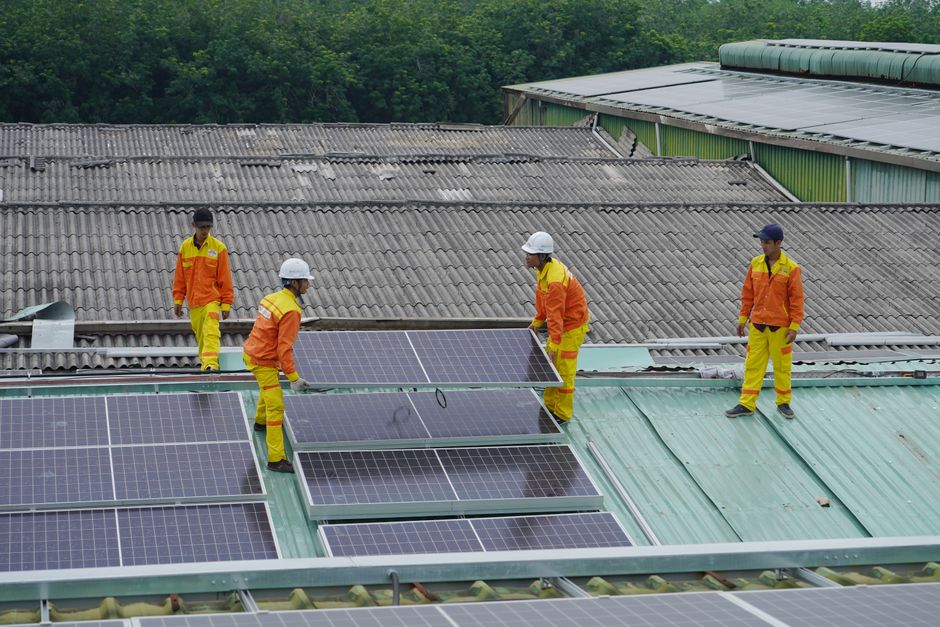
Arc flash hazards might sound like technical terminology from an industrial facility, but they are increasingly relevant to residential solar installations. As a homeowner considering or maintaining a solar system, understanding these electrical risks—and how professional design, installation, and monitoring protect your home—is genuinely important for your safety and system longevity.
An arc flash is an explosive release of electrical energy that occurs when current finds an unintended path through air. In solar systems, this can happen at junction boxes, inverters, disconnect switches, or where wiring connections deteriorate or fail. The resulting flash generates intense heat that can reach thousands of degrees, potentially causing serious equipment damage and personal injury to anyone nearby.
Why should residential solar system owners be concerned? Solar installations involve substantial electrical currents. Unlike traditional home electrical circuits designed for smaller loads, solar arrays produce considerable direct current that, if mishandled during design or installation, creates real hazards. A poorly designed system—one with inadequate component spacing, incorrect specifications, or improper connections—dramatically increases arc flash risk.
This is precisely why custom solar design is essential. Professional designers calculate exact specifications for every component in your system: wire gauges, disconnect ratings, breaker specifications, and physical spacing between components. These calculations ensure electrical parameters prevent dangerous conditions before they start. Thoughtful design removes arc flash hazards from the equation entirely.
Professional installation reinforces this safety foundation. Qualified installers understand proper disconnection procedures, correct component placement, and secure connections that prevent arc formation. They ensure all equipment meets current electrical codes and nothing is improvised or substituted with incompatible parts. Poor installation workmanship—such as loose connections, inadequate crimping, or improper grounding—is a primary cause of arc flash hazards in solar systems.
Smart energy monitoring adds essential ongoing protection. Continuous monitoring systems detect abnormal electrical behavior: unusual voltage patterns, unexpected current inconsistencies, or thermal irregularities that might indicate developing problems. Early detection allows issues to be addressed before they become dangerous. Your smart monitoring system provides real-time visibility into your system's electrical health, serving as an early warning system.
For homeowners, the practical takeaway is straightforward: invest in professional custom design and installation from the beginning. These services prevent arc flash hazards rather than attempting to manage them later. When you partner with experienced professionals and maintain your system with smart monitoring, you build electrical safety into every component and connection.
Your solar system should provide energy independence and peace of mind—not electrical anxiety. That security comes from choosing professionals who understand and respect the real hazards involved in residential solar energy systems.